Set expectations and a budget
Decide before you look what you want the watch for: daily wear, an occasional piece, or something to study. That decision shapes everything else, including how much wear you are comfortable with and whether a watch that needs care is a pleasure or a worry.
Set a budget that allows for more than the purchase price. A vintage watch may need servicing, a new strap or other maintenance sooner than you expect, and costs vary widely. Leaving some room means a sensible purchase does not become a strained one. A vintage watch is best bought to be enjoyed; its future value cannot be promised.
Read condition and wear
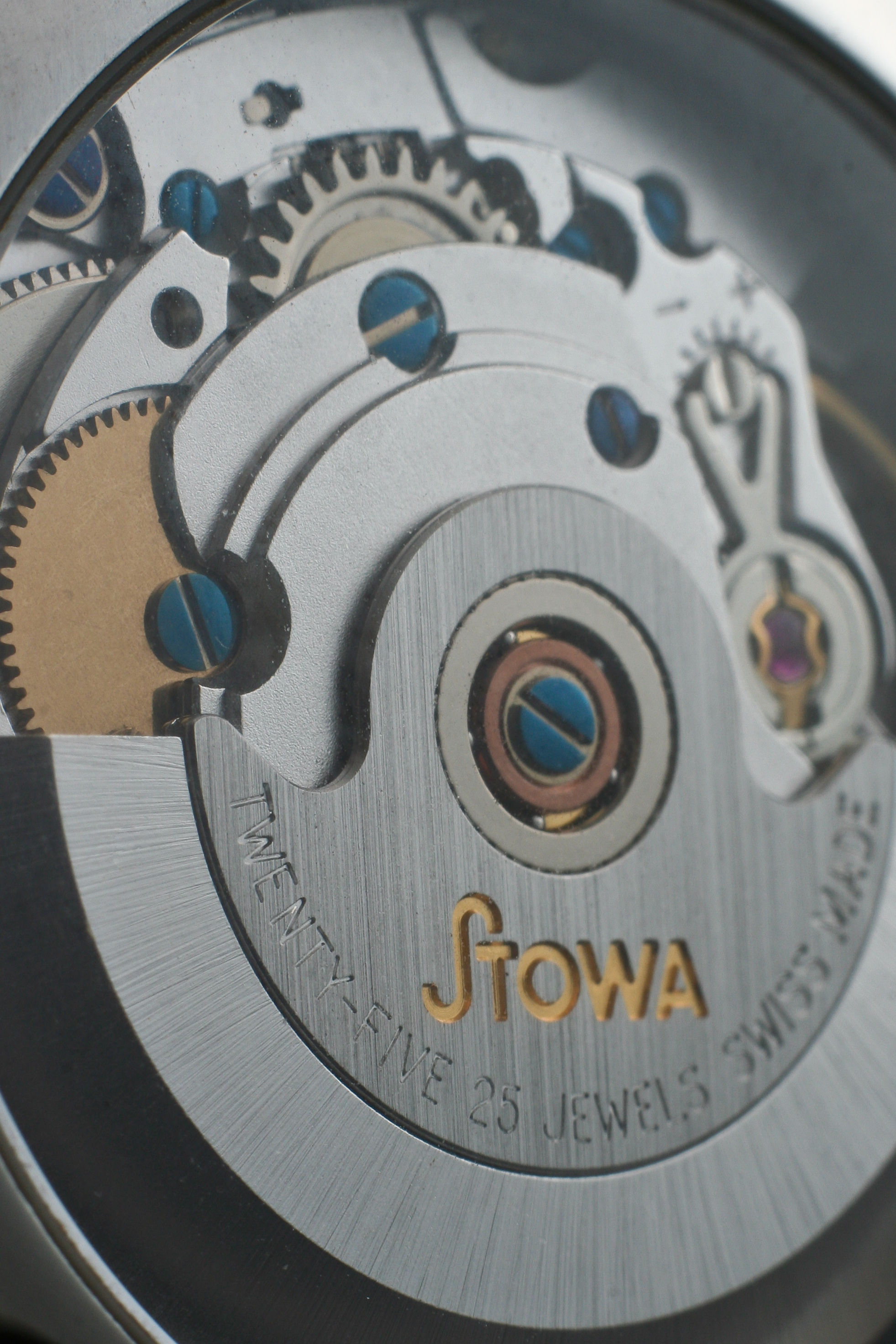
Look at the watch as a whole before the details. Do the dial, case and bracelet appear to have aged together? Are the edges of the case crisp or soft? Are there signs of moisture, corrosion or impact? Ask for clear images of every side, the caseback and, if possible, the movement, and take the time to read them.
Wear is not the same as a fault. Light marks and softened edges are common, and many collectors find them part of the appeal. What deserves attention is anything that affects how the watch works or how long it will last, and anything the description does not account for.
Look at the watch as a whole before the details.
Ask about servicing, documentation and uncertainty
Ask when the watch was last serviced, what was done, and whether any parts were replaced. Ask what documentation exists — papers, boxes, service receipts — and what each document actually shows. A document is evidence about a watch only to the degree that it can be tied to that watch.
Expect some answers to be ‘not known’. Many vintage watches have gaps in their histories, and an honest account of those gaps is worth more than a tidy story. What you want is clarity about the difference between what is known, what is believed and what is unknown.
Understand returns and what to request
Before buying, read the seller’s terms on returns and ask about anything unclear. Find out whether returns are accepted, within what period, who pays for shipping, and in what condition the watch must come back. Terms differ between sellers and countries, and nothing here is legal advice. If the amount is significant, consider taking independent advice.
It is also reasonable to ask for more before you commit: additional photographs, a short video of the watch running, details of how it keeps time, and written confirmation of anything that matters to you. A seller who is glad to answer is usually a seller worth buying from.
A pre-purchase checklist
A short list to keep beside you before you decide. It is a prompt for your own judgement, not a test the watch must pass.
Do I know why I want this watch and how I will wear it?
Is the price comfortably within my budget, allowing for likely upkeep?
Have I seen clear images of the dial, case, caseback and, if possible, the movement?
Do I understand what is known, believed and unknown about its servicing and any replaced parts?
Do I understand what any documentation actually covers?
Have I read the return terms and asked about anything unclear?
The Journal offers general observations for collectors. It is not valuation, legal or technical advice, and it does not describe any particular watch.